

Have you always dreamed of traveling, but feel like you’ll probably have to wait until retirement to actually set off?
Do you spend your days scrolling through the Instagram-worthy lives of strangers traveling the world, wondering: “How do they even afford it?”
In this article, we’re going to share some realistic, actionable ways to make that dream a little more achievable — and maybe get you on the road sooner than you think.

First things first: reality check.
If your dream is to spend a year traveling through different countries — or even hopping between continents — but your job gives you only 30 days of annual leave, it’s understandable that you feel trapped.
Don’t despair! There are ways around it, provided you’re willing to make a few sacrifices.
If you have an office job — the classic 9-to-5 — you might be surprised to learn that many companies across Europe allow their employees to take an extended leave of absence — anywhere from three to twelve months — for personal reasons.
And guess what? Wanting to travel can be one of them.
Once your sabbatical is over, the company can help you transition back into your role, possibly with some changes to your salary or position.
But trust us: it’ll be worth it.
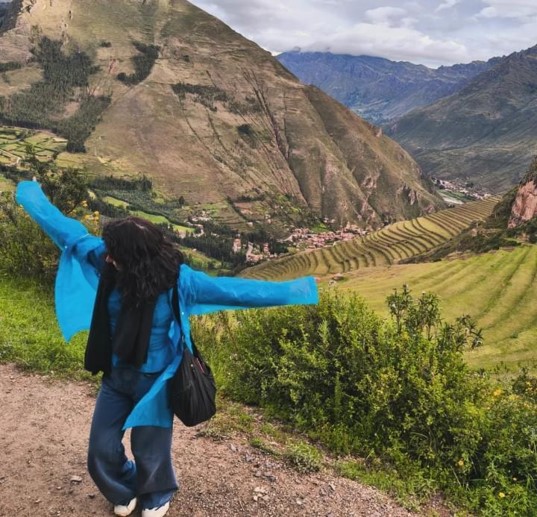
If the idea of leaving your position behind and stepping into the unknown scares you, you can always consider breaking your adventure into smaller chunks, one month at a time — turning every year into the year that changed your life.
Too often, society teaches us that financial and career stability are essential to staying afloat, while pushing emotional and psychological wellbeing into the background, as if stress were simply the price of success.
Once we start traveling — especially when we venture far enough from the reality we know and immerse ourselves in ways of living and functioning that are genuinely different from our own — we quickly realise that this mindset is far from universal.
It serves a system that wants us to be constantly productive, anxious, and reluctant to embrace impermanence.
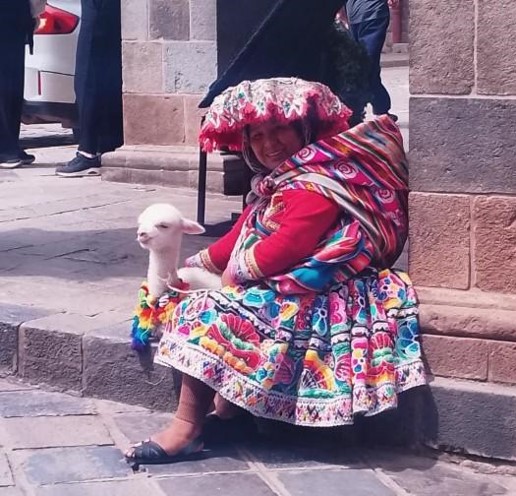
Now we come to perhaps the trickiest issue for many of us: the budget.
“Traveling takes money.” How many times have you heard that sentence?
And how often have you felt powerless in the face of rising rent, grocery prices, and bills — as if there were simply no way out?
Well, even here, there are a few tricks that can come in handy when planning a trip, especially when your budget seems to be holding you back more than you’d like.
Rule number one: plan ahead.
Especially if you’re looking to travel far from home and will be flying, it’s worth keeping in mind that international flights can be significantly cheaper when booked 3–6 months in advance. Websites such as Skyscanner can be extremely useful for comparing fares across different airlines.
They also offer a handy calendar that colour-codes prices, from red for the most expensive dates, through orange, all the way to green for the cheapest ones.
Another trick many people don’t know about is searching by country rather than by city.
Say, for example, you’re planning a trip from Paris, France, to Cusco, Peru.
Instead of limiting your search to flights between these two cities, try looking at options across France and Peru. You might find cheaper fares from or to different airports — and potentially discover a few unexpected destinations along the way.
Another tip that will always come in handy when traveling far outside your comfort zone is to do a little pre-trip research.
This could mean looking into the most common means of transport used by locals, the best-value taxi apps, whether or not you’ll need to carry cash, which banks offer the best exchange rates for international cards, the most reliable currency exchange offices, and perhaps even the safest areas to stay in — all to avoid any unpleasant surprises.
Speaking of accommodation!
Especially if you’re traveling solo, you might be interested to know that many travelers choose to stay in hostels rather than hotels or Airbnb.
They are usually more affordable, but, above all, they offer an inclusive, highly social atmosphere that makes it much easier to meet people and share experiences.
Many hostels organise group activities for their guests, from local cooking classes and karaoke nights to dance lessons.
These are all great opportunities to have fun, meet new people, and make unforgettable connections!
While booking through well-known platforms such as Booking.com can be convenient, you might be glad to know that Hostelworld offers a particularly useful feature for its users.
Once you’ve made a reservation, you’re automatically added to a group chat with other travelers in the same area. It’s a great way to ask questions, get local tips, compare experiences, and — who knows — maybe even make some new friends along the way!
If you’re looking for something a little more adventurous — perhaps an excursion to the floating islands or a trip among ancient Inca ruins — don’t forget to check with your hostel reception. They often have great deals available, which may include transportation and, sometimes, even lunch!
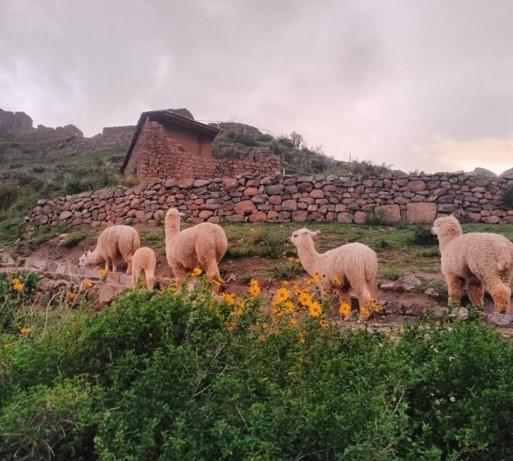
For those ready to venture into the unknown and embark on a long-term — or even open-ended — journey without a big budget, there’s good news: you can save money on accommodation and, sometimes, even on food by volunteering at places such as hostels and farms.
Many travelers use platforms specifically designed for this purpose, such as Worldpackers and Workaway, where you can find a wide range of volunteering opportunities, often starting from just two weeks. These experiences allow you to immerse yourself in the local culture while putting your skills and knowledge to good use and giving something back to the community.
These platforms are generally quite affordable — around $70 a year — and allow you to filter opportunities based on your interests, location, skills, and preferred type of experience.
They are also well organised and offer an added layer of security.
Users can leave reviews about their volunteering experiences, providing valuable insights for future travelers. Most platforms also offer user support designed to address any questions or problems that may arise before, during, or after your stay — often within a short timeframe.
However, if you’d rather go with the flow and let yourself be surprised by the opportunities that come your way, know that volunteering opportunities are also available to those who don’t use the platforms mentioned above.
One useful trick for finding them is to search Google, Booking.com, or Hostelworld for places in the area where you’d like to volunteer.
Many hostels have a WhatsApp contact number that you can use to get in touch, introduce yourself, and ask whether they’re currently looking for volunteers. You can tell them a little about your skills, your availability, and when you’d be able to start.
There are also several WhatsApp groups where travelers share useful information about open volunteering positions, budget-friendly accommodation, and safe, accessible travel routes.
That dream that once seemed impossible doesn’t seem quite so out of reach anymore, does it?
Well, we hope these tips have been helpful and have made the road ahead feel a little less daunting. And who knows — maybe your next adventure is waiting just around the corner!